How Robyn Dalberg Went From SLP and School Leader to Starting Her Executive Function Coaching Business
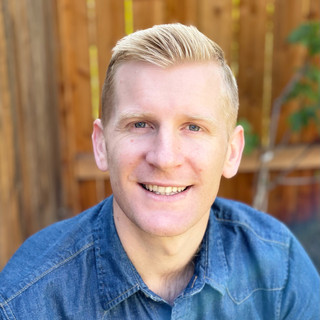
Before Robyn ever started her coaching business, she had already spent years supporting students through her work in speech language pathology and as director of a preschool.
Her perspective widened even more when executive function challenges showed up in her own family.
That experience gave her a front row seat to how often capable students are misunderstood when the real issue is weak systems, inconsistent support, or skills that have never been directly taught.
She got certified through EFCA because she wanted to learn more about how to better support students and families with executive function and turn a longtime passion into a new career at a time when she was moving states.
Today, Robyn leads eFUNction Academy, where she blends neuroscience, practical strategies, and compassionate accountability to help students better understand themselves, develop systems that match how they operate, and make steady progress without all the shame and chaos that usually come with school struggles.
In this interview, Robyn shares how her professional experience and personal journey shaped her work, how she built her practice by "starting messy", and what helped her gain traction along the way.👇
What is Robyn's Background?

Robyn Dalberg comes from a background in speech language pathology and school leadership, so she brings both clinical insight and real world school experience to her work.
She got certified through EFCA and now works as an Executive Function Coach and is the founder of eFUNction Academy, where she helps students move from frustration and avoidance toward more clarity, confidence, and follow through.
She is passionate about helping students understand how their brains work, build systems that actually fit them, and develop skills they can use far beyond school.
Robyn believes executive function skills can be taught, and that when students feel understood and capable, big change becomes possible.
Learn more about Robyn's coaching practice at https://www.efcoach.org/
And, on Instagram @efcoachrobyn
Here is the full interview👇
1. What were you doing professionally before this, and what made you decide it was time for a change?
I initially signed up for EFCA while I was the Director of a small preschool.
As my children grew, I realized my own child had struggled in school due to lagging executive function skills.
Even though we could support EF development daily, I wanted a deeper understanding.
I had a wonderful team, and this seemed like a way to give our families more—especially given all the changes we were seeing in the littles post-COVID.
As it turned out, our family made a big decision to move from WA to TX, and that meant getting my systems out of my head and into modules for the team I was leaving.
When I finally landed in TX, the course had ended, and an email popped up saying another live cohort of the certification was starting.
I reached out and asked if I could join that one instead.
So essentially, I was doing nothing professionally!
It was a great time to learn more about turning a longtime passion into a new career in a new place.
2. What inspired you to become an executive function coach, and what made you choose this certification program specifically?
I began my career as a Speech-Language Pathologist, and over 30 years ago I had my first introduction to executive function.
I loved learning about working memory, metacognition, and how our brains work.
Fourteen years working in public schools proved not to be a great long-term fit for me.
While I loved the work, the high caseload and low supervisory support around student needs made it easier for me to leave when my oldest was starting preschool and they needed a new director.
For 17 years, I worked with littles at the very beginning stages of EF development and loved offering opportunities for them to practice these skills every day.
All the while, my youngest had been diagnosed with ADHD, and I spent a good portion of his elementary and middle school years on the opposite side of the table from my former coworkers, often feeling unable to advocate effectively for him.
I always thought, with all the knowledge and experience I had, if I struggled to advocate for him, what were other moms going through?
It was not until he was in about 7th grade that I learned about Seth Perler.
The rest was history. I spent years learning from him on YouTube and through summits.
He had talked about Sean and promoted his certification program, and when the timing was right, becoming an EF coach felt like the right choice.
3. What was your biggest fear or hesitation before enrolling and how do you feel about that now?
I really had no fear.
I was ready, curious, and, as timing would have it, in need of something new.
I couldn’t be happier with how it all worked out.
I had a wonderful cohort and am still dear friends with a group from EFCA.
It was a blessing to make those connections when I had just moved halfway across the country.
4. Was there a turning point in the course where you felt, “I can actually do this”? What helped you get there?
Sean shares a roller coaster slide during the course and I was on that ride the entire way!
Mostly, I knew I could do it, and there was so much support.
But doubts creep in when you have your own EF struggles.
It wasn’t just coaching—it was starting a business from the ground up in a new town with no connections.
I would not have finished had I not made the great friends I did in my EFCA cohort.
5. How did you get your first paying client? What steps did you take and what did you learn from that experience?
STARTING MESSY!
I put up an ad in the spring before we finished the course, and a mom responded.
She and I are still friends, even though I no longer work with her child.
In full transparency, it took months before I got another client, and months after that before the momentum began building.
Now, just under two years in, I am ready to hire another coach (or two!).
I have also provided professional development for teachers and parent education sessions in my small community.
6. What does your coaching business look like today (client load, income, hours, structure)?
I have about 17 students on my caseload.
I serve students in their homes, virtually, and in my office.
My hours vary, but as I grow, I see the need to fine-tune when I am willing to work.
I appreciated being flexible while building my business, but now that demand is there, I am working to create a schedule that works for me and my family.
I spend many hours networking in my community and collaborating with other local small businesses to meet the needs of families.
I am also partnering with a private school and serving our public school through Innovation Days.
7. What tools, lessons, or systems from the certification have made the biggest difference in your ability to coach or grow your business?
All of the tools Sean generously shared made starting easier.
I have adapted most of them to meet my own needs, but it was wonderful not to have to start from scratch.
Lessons-100% START MESSY.
Not ill-equipped or unprepared, but messy, don’t wait until everything is perfect.
Get started and adjust.
8. What challenges have come up as you’ve grown, and how have you worked through them?
Balancing in-home versus office visits and managing families’ availability has been challenging.
It was easy at first with only 2–3 students, as I could be very flexible.
I now set schedules on semester timelines and clearly communicate my availability to families.
So far, I have allowed adjustments based on seniority.
If I successfully bring on a new coach for the fall semester, we will set that coach’s schedule first and place families based on availability.
I am also creating a group coaching program to serve more students.
9. What impact has this work had on your clients and on your own personal or professional life?
My clients keep me on my toes!
Many have been very successful, and others are allowing seeds to be planted as we practice and tackle struggles one step at a time.
I have been very fortunate to work with wonderful families and smart, funny, hardworking kids who are open to trying new things.
I believe I am learning right alongside my students.
Personally, I feel proud of picking up, moving across the country, knowing no one, and putting myself out in the world in a way I didn’t know I wanted to, or could.
Becoming known is one thing; being liked is another; but being trusted enough to be invited into the lives of children is truly special, and I do not take that lightly.
It has been so much work, but I have met some of the most wonderful, generous, and gracious people on this journey, and I am deeply grateful for them and the opportunities that have come with meeting them.
10. What does success mean to you as an EF coach, and how has that evolved since starting this journey?
Success shows up in many ways.
A big win was hearing a teacher say,
“I will be more kind and patient now that I better understand how my ADHD students’ brains work.”
Another was seeing students regain enrollment after academic probation because they had learned and used effective systems.
Perhaps the greatest success is when parents begin viewing meltdowns and homework struggles through gentler, more understanding eyes.
The wins vary, but in every session, there is something worth celebrating.
11. What advice would you give to someone who is in your previous profession and is thinking about joining the program or starting an EF coaching business?
I’m really glad I went through the EF Coaching Certification.
It gave me strong foundational tools, practical resources, and a supportive community.
If you’re considering it, I’d encourage you to be clear on your why.
Coaching, especially 1:1 with dysregulated students, requires emotional regulation, presence, and entrepreneurial grit.
The course is a great starting point, but building a sustainable coaching practice takes continued learning and real-world experience.
12. What is your tech stack?
If the truth be told, tech stretches me!
It is definitely an area for growth.
Google, TutorBird, Canva, and a small amount of ChatGPT keep me moving forward.
There are many wonderful tools available, and I am still working toward learning them well enough to share confidently with my students.
Thank you Robyn!
By drawing on her years in speech language pathology, school leadership, and her own experience supporting a child with ADHD, then pairing that foundation with the tools, resources, and community she found inside EFCA, Robyn built a coaching practice that has grown into meaningful work in a brand new place.
Her story is a great reminder that strong executive function coaches often come from deep personal and professional experience, and that you do not need to have everything perfectly figured out before you begin.
Robyn’s journey shows what can happen when someone is willing to start messy, keep learning, and stay connected to the why behind the work.
Thank you, Robyn, for sharing your journey and the care you bring to students and families!
Interested in starting your own executive function coaching business?
Join hundreds of educators and professionals who have completed our executive function coaching certification and are building profitable executive function coaching practices using their teaching experience.
You'll gain all the tools, templates, and techniques you'll need as a coach, plus you'll make new friends and have a community you can rely on to grow and learn. Learn more.
Here is one of our favorite reviews. You can read all recent reviews on this page.
If you're not sure now, that's ok. You can subscribe to our weekly newsletter here 👇
About Robyn

Robyn Dalberg is an Executive Function Coach and the founder of eFUNction Academy, where she helps students shift from frustration and avoidance to clarity, confidence, and meaningful progress.
Drawing on her experience as a Speech-Language Pathologist and school leader, Robyn blends neuroscience, practical strategy, and compassionate accountability to support lasting growth.
Her work centers on empowering students to understand their brains, set aligned goals, and build systems that truly work for them.
Robyn believes executive function skills are teachable—and that when students feel seen, capable, and equipped, everything changes.
She is passionate about helping students move from overwhelm to ownership, equipping them not just to succeed in school but to leverage their strengths for life.
Connect with Robyn👇
Website: https://www.efcoach.org/
Instagram: @efcoachrobyn